A different kind of battery partnership
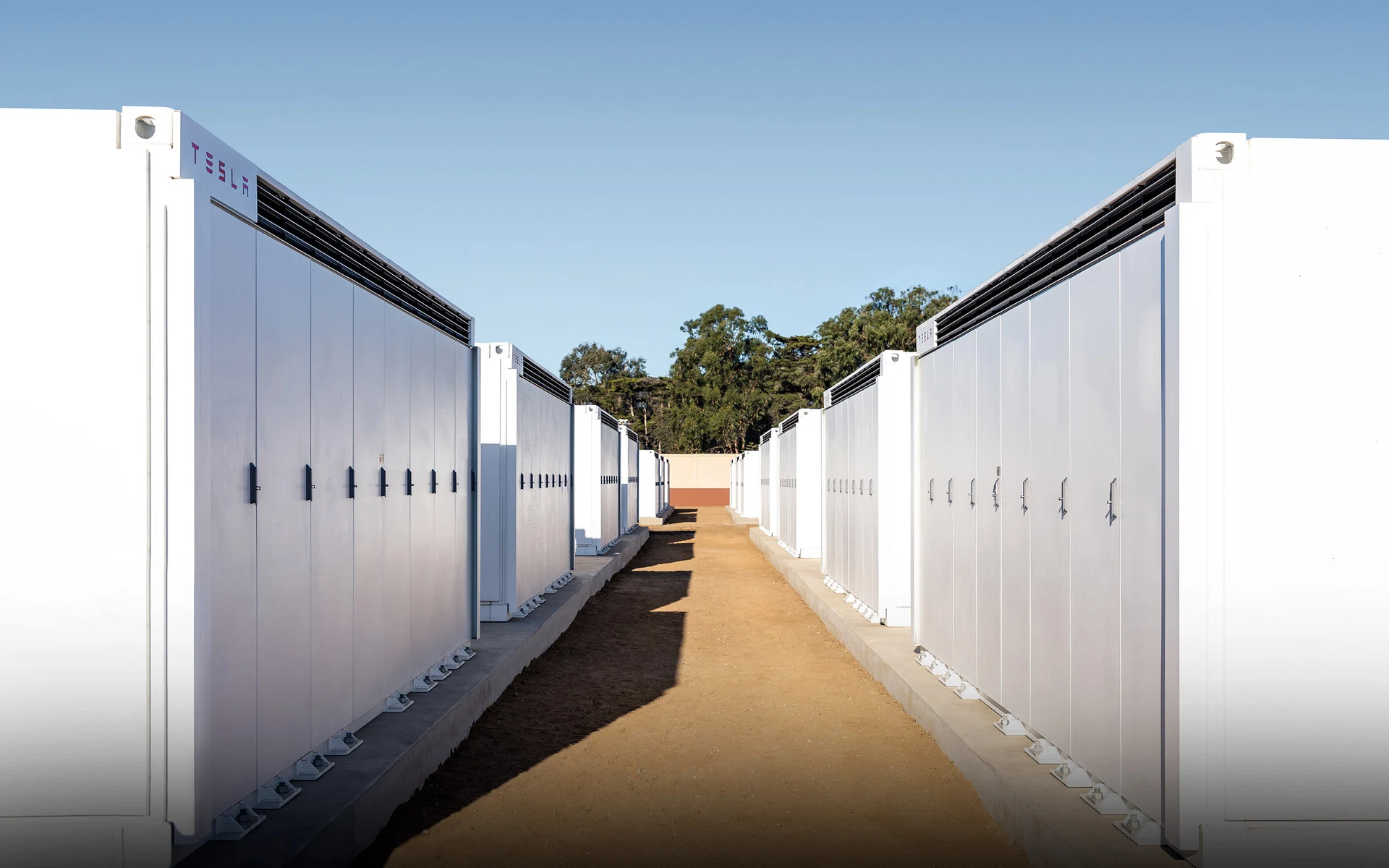
LG Energy Solution’s May 2026 account of its Tesla partnership identifies energy storage as the focus. It says batteries intended for Tesla Megapack 3 are planned for production in Lansing, Michigan, from 2027. This is a future production plan, rather than evidence that every Tesla storage unit already contains these cells. [1]
The useful distinction: ESS versus EV
For buyers following LG Energy Solution battery developments, the important point is the application. The announced ESS program concerns LFP batteries. It should not be used to infer the chemistry, format or supplier of a Tesla passenger-car battery. A company can source different cells for different factories, products and markets.
Our perspective: integration deserves more attention
A storage project needs more than a cell specification. Procurement teams should connect the operating profile to the module, battery management system, thermal design and service plan. They should also ask where a product will be manufactured and how a production change affects qualification. Local manufacturing may simplify some logistics, but project economics still depend on the complete system and its operating conditions.
What this means for industrial sourcing
For an OEM evaluating LG lithium ion battery cells, the practical lesson is to define the project before choosing a format. Stationary storage, vehicle traction and compact equipment place different demands on the battery. An authorized LG battery cell distributor can discuss model documentation and sourcing requirements; an announced Tesla contract does not establish availability of that contract-specific cell through a distributor.
Sources
Independent editorial analysis based on the linked public sources. Application discussions are engineering considerations, not confirmation of an undisclosed OEM supply relationship. Supply plans retain the status and timing stated in each announcement.