
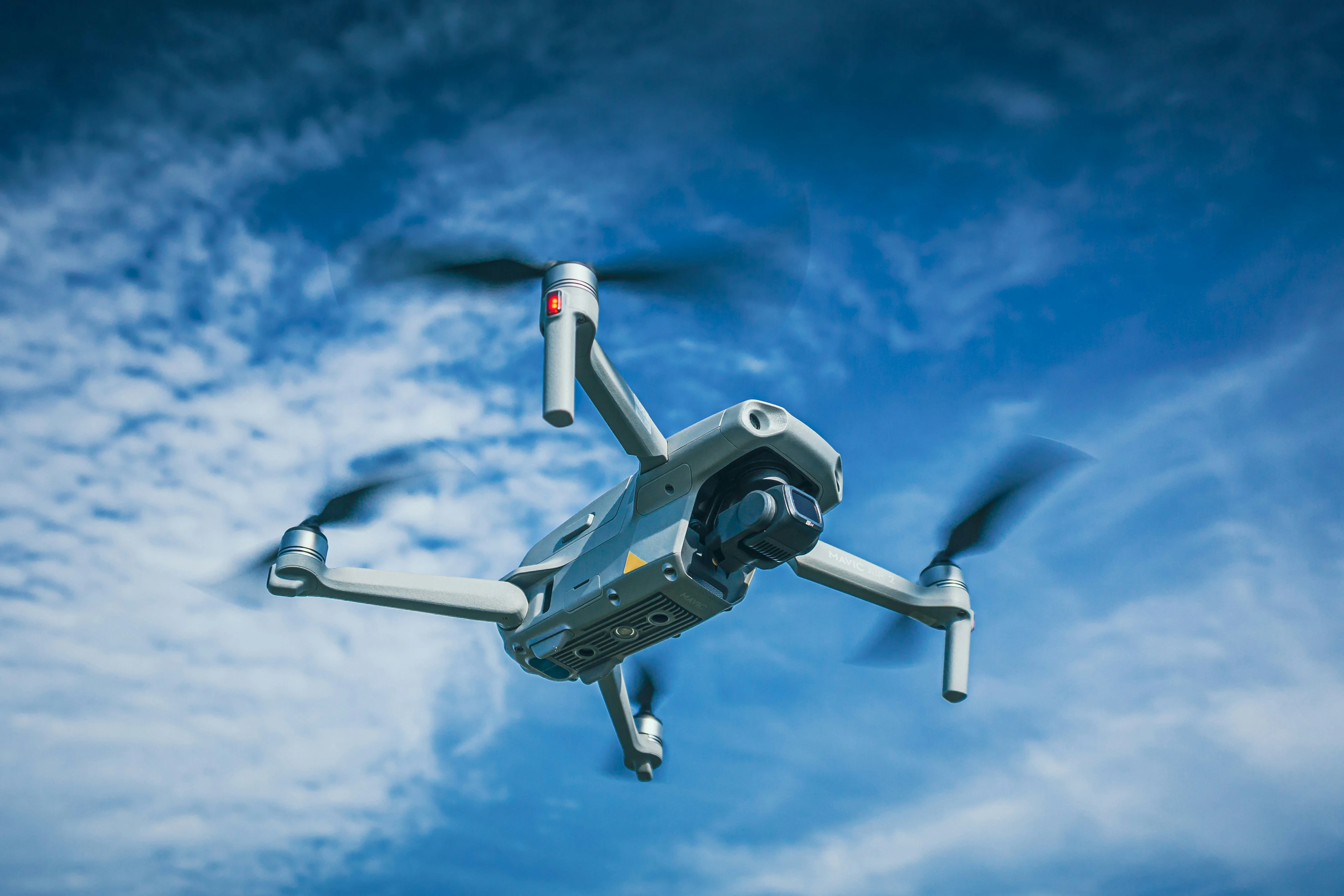
A publicly identified application
LG Energy Solution includes drones and urban air mobility in its future-mobility applications. It presents cylindrical and pouch solutions and highlights weight, energy, output, safety and service life. That establishes the manufacturer’s application direction; it does not confirm the battery supplier of a particular drone brand. [1]
Our perspective: start with a flight profile
A meaningful drone battery cell comparison begins with the aircraft’s mission. Record takeoff demand, cruise or hover power, payload, operating temperature and the energy reserve required at landing. Then evaluate candidate cells against that profile. Comparing nominal capacity alone leaves out voltage behavior under load and the energy that can actually be used before the system reaches its cutoff.
Energy density and output serve different jobs
High energy density lithium cells can be attractive when mass is constrained, while high discharge rate battery cells may be needed for demanding power peaks. The selection question is how to satisfy both within the aircraft’s limits. Adding cells to gain capacity also changes mass, electrical architecture and the vehicle’s energy demand. These tradeoffs should be measured in a representative pack and flight system.
From a candidate cell to a qualified UAV pack
OEM teams evaluating LG pouch battery cells or cylindrical formats should request the exact model’s datasheet, traceable samples and available supporting documents. Validate the pack’s mechanical retention, protection functions and temperature behavior for its intended use. Our role as an LG battery cell supplier is to support sourcing discussions around the chosen model; aircraft suitability requires the OEM’s own engineering and qualification.
Sources
Independent editorial analysis based on the linked public sources. Application discussions are engineering considerations, not confirmation of an undisclosed OEM supply relationship. Supply plans retain the status and timing stated in each announcement.